

A new Community First Responder (CFR) group has been established in Kilkenny City. A team of 16 volunteers are now volunteering with CRITICAL charity responding to cardiac arrests and other life-threatening emergencies. Community First Responders are local volunteers trained to provide immediate, life-saving medical care in the vital minutes before an ambulance arrives.
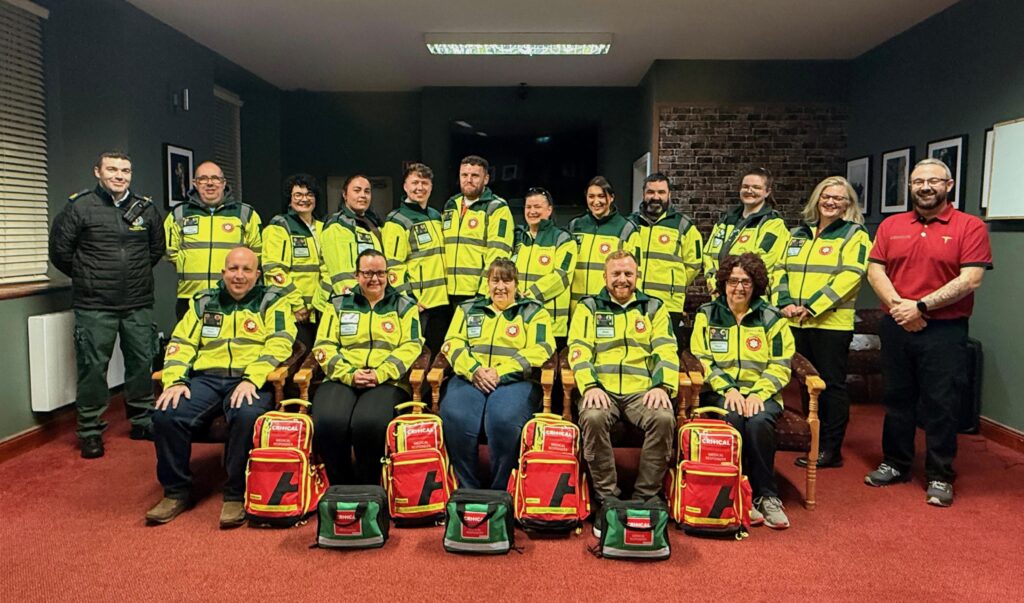
The group went live on the 7th of February and is alerted by the National Ambulance Service to incidents within a 10km radius of Kilkenny City. The fully-trained volunteers come from a wide range of backgrounds including the emergency services, defence forces, retail and business.
Paul O’Carroll is co-ordinator of the CRITICAL Kilkenny CFR group. He said, “There is an incredible spirit of volunteering in Kilkenny and we already have a waiting list of people who want to join our team. Our volunteers have been training every second week for more than six months to prepare for life-threatening emergencies that our communities may face. We know that early interventions save lives. Being able to respond quickly within our own locality can make all the difference for a patient and their family.”
Edward Walsh, Head of Operations and Standards with CRITICAL, added, “Our volunteers are an essential link in the chain of survival, working alongside the National Ambulance Service to deliver rapid care when every second counts. We want to empower local communities to save lives and we have seen the positive impact of our CFR groups in cities, towns, villages and rural areas across Ireland. I am positive that this latest group will be a major benefit to Kilkenny City.”
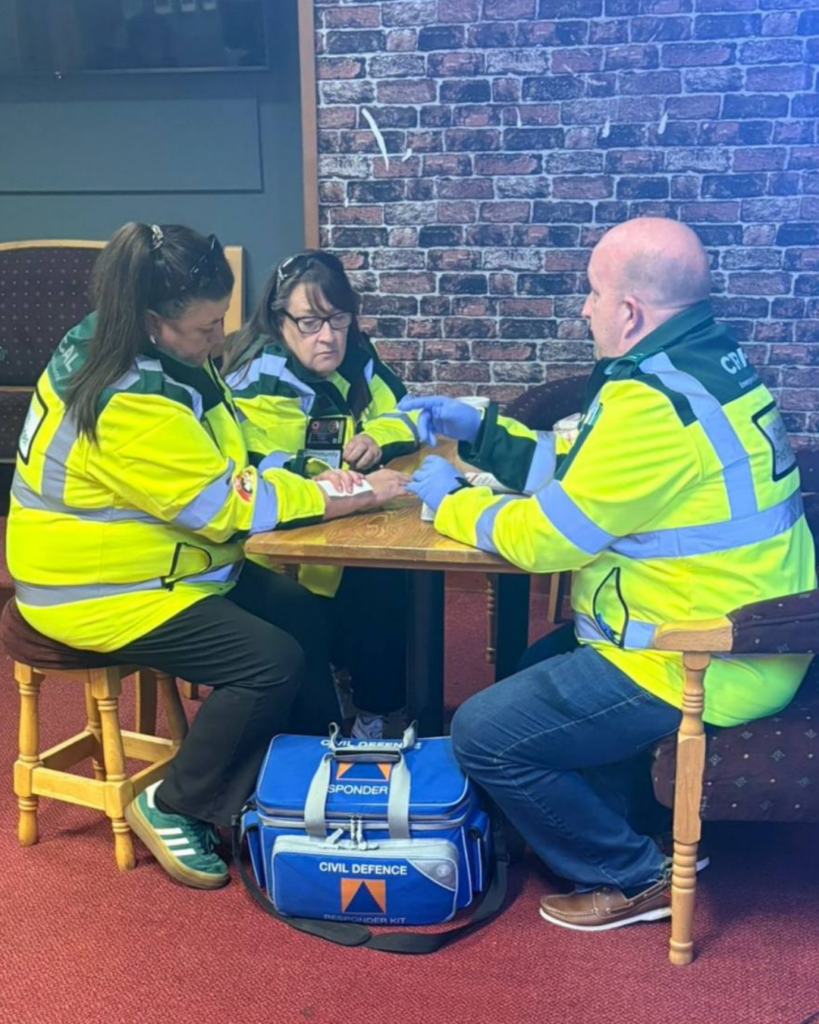
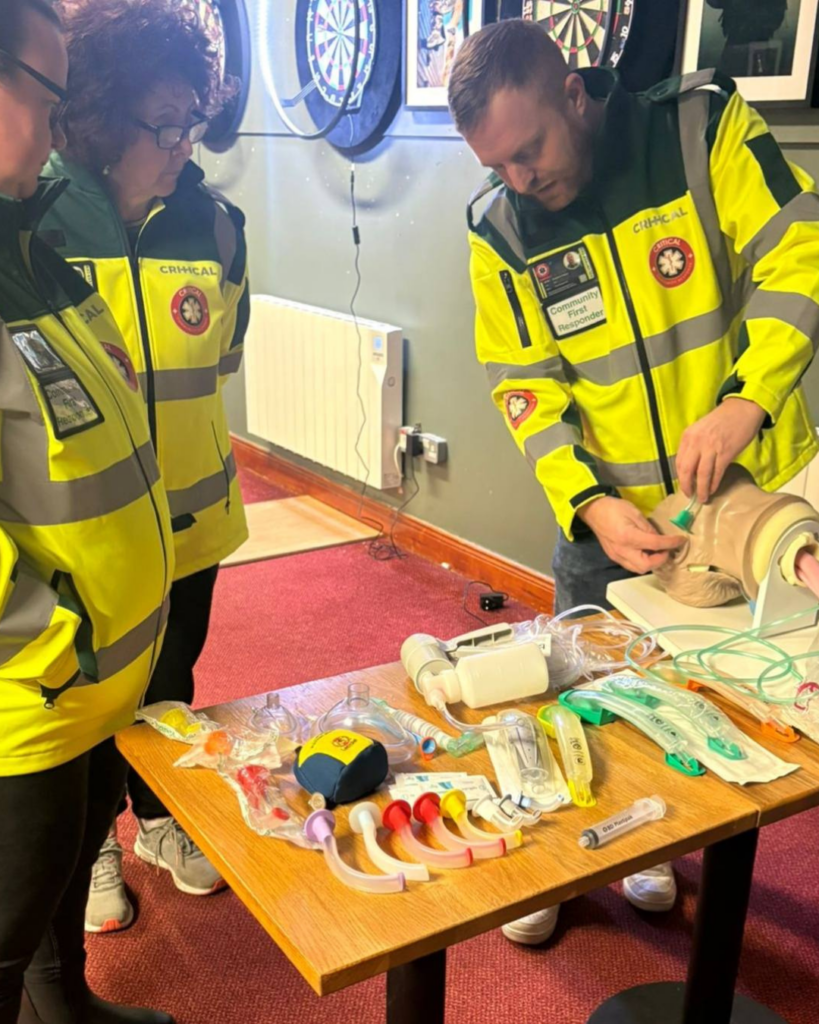
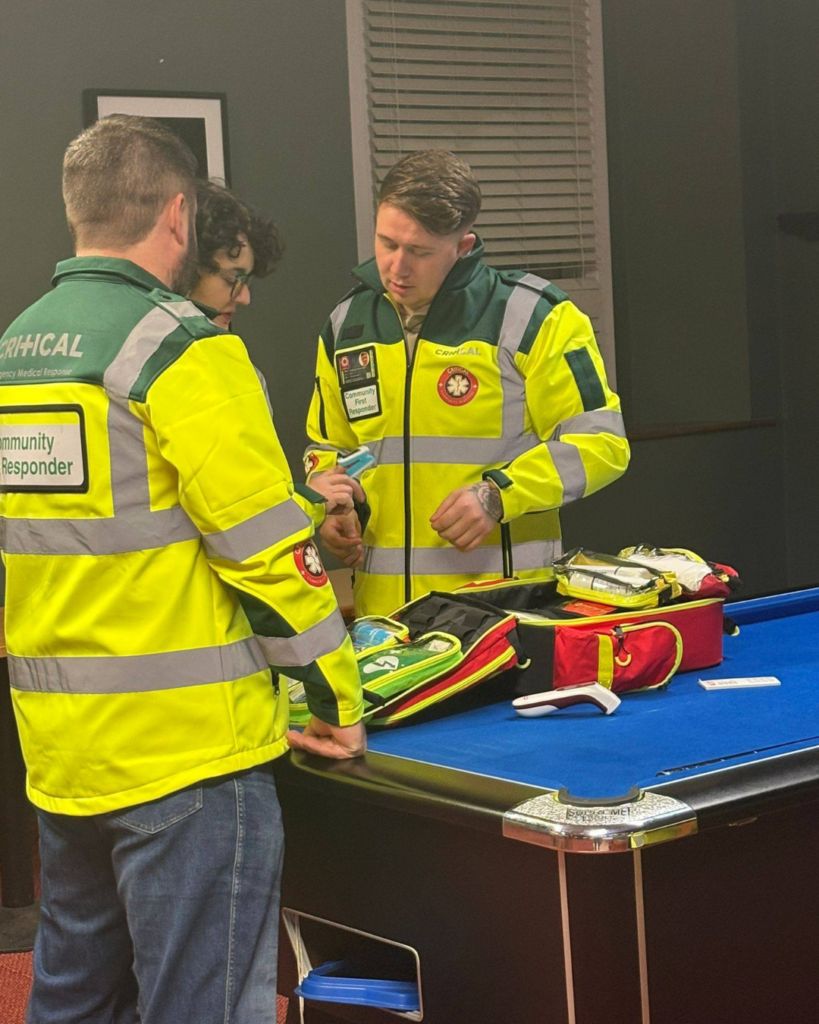
CRITICAL has a network of more than 300 volunteer responders active across Ireland who are affiliated with the National Ambulance Service. This includes doctors and consultants equipped with emergency response vehicles and high-tech equipment, community first responder (CFR) groups, as well as off-duty paramedics and emergency medical technicians (EMTs).
They responded to over 2,000 calls during 2025. They are notified by the National Ambulance Service and communicate closely with the National Emergency Operations Centre (NEOC) while on scene.