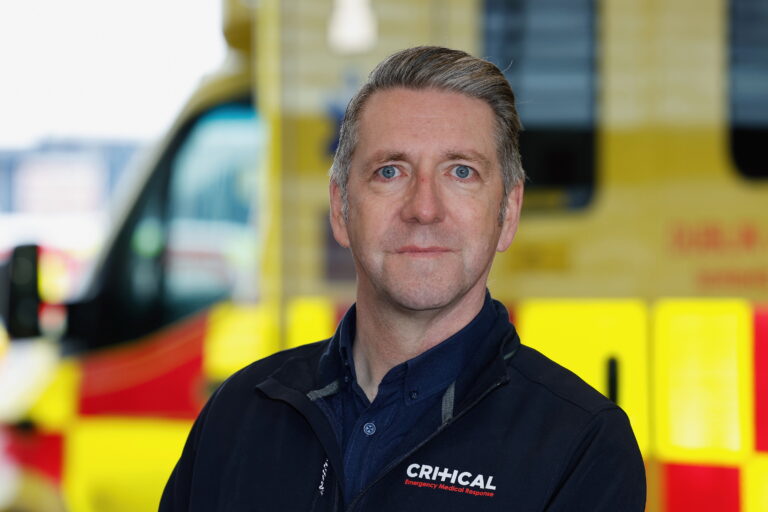

Road traffic collisions accounted for more than half of all trauma callouts attended by CRITICAL’s volunteers during the first six months of 2026, as the charity urged motorists to take extra care ahead of the August Bank Holiday weekend.
The charity is Ireland’s leading voluntary emergency response organisation and has a growing network of volunteer responders across the country. Its medical doctors responded to 408 incidents during the first six months of the year.
The doctors, based in Cork, Kerry, Waterford, Dublin, Wicklow and Donegal, have emergency response vehicles with specialist medical equipment provided by CRITICAL and are alerted to the sickest and most seriously injured patients.
Of the 250 trauma callouts attended by CRITICAL volunteers, 130 involved road traffic collisions.
Dr Gerry Lane, a CRITICAL volunteer doctor based in Donegal, said, “When I’m alerted to a road traffic collision, I’m hoping the person is still alive by the time I get there and that there’s something I can do. There has been an increase in fatalities on our roads this year but we don’t always hear about the catastrophic injuries people are suffering, it’s estimated at 10 serious injuries for every one fatality but in reality it could be much higher with life-changing implications for many. Road conditions and enforcement have a role to play but the big thing is driver behaviour. People are buying bigger cars to keep their families inside safer but they’re even more dangerous to other vulnerable road users. We need to remember that cars are a dangerous tool and take responsibility for our behaviour when we get behind the wheel.”
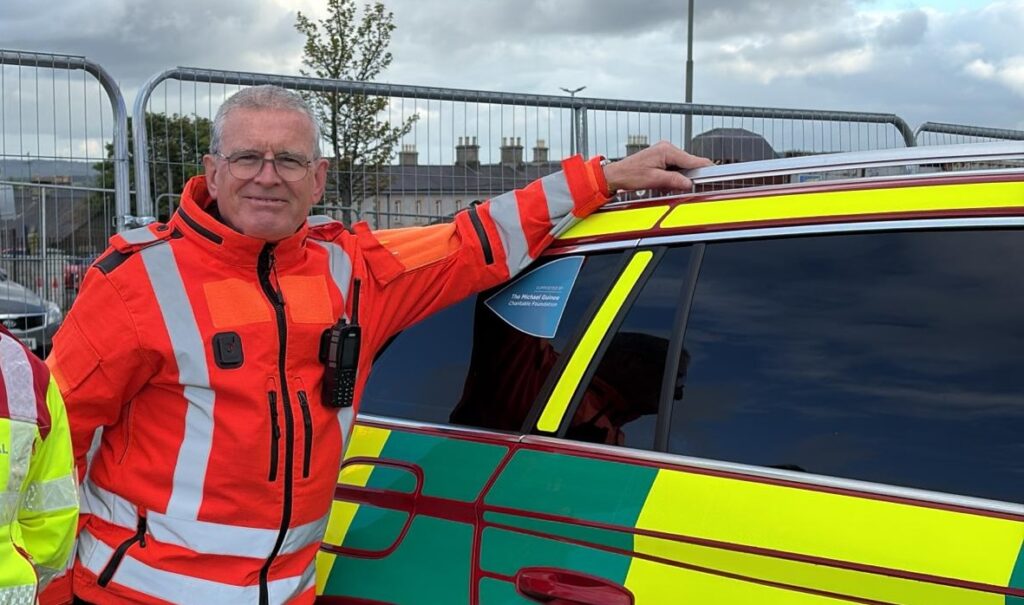
Dr Mark Ruddy, CRITICAL’s Medical Director and volunteer based in Wicklow added, “Every serious road traffic collision has a devastating impact, not just on those involved but on their families, friends and the emergency services who respond. We’ve seen first-hand the heartbreak that can unfold in an instant. We’re also responding to more drownings and near-drownings at this time of the year, many of which are preventable. As people travel and spend more time outdoors this weekend, I would urge everyone to slow down on the roads, avoid distractions, never drive under the influence of drink or drugs, and take care around water. A few extra minutes on your journey or making sensible decisions around water can make all the difference and help ensure everyone gets home safely.”
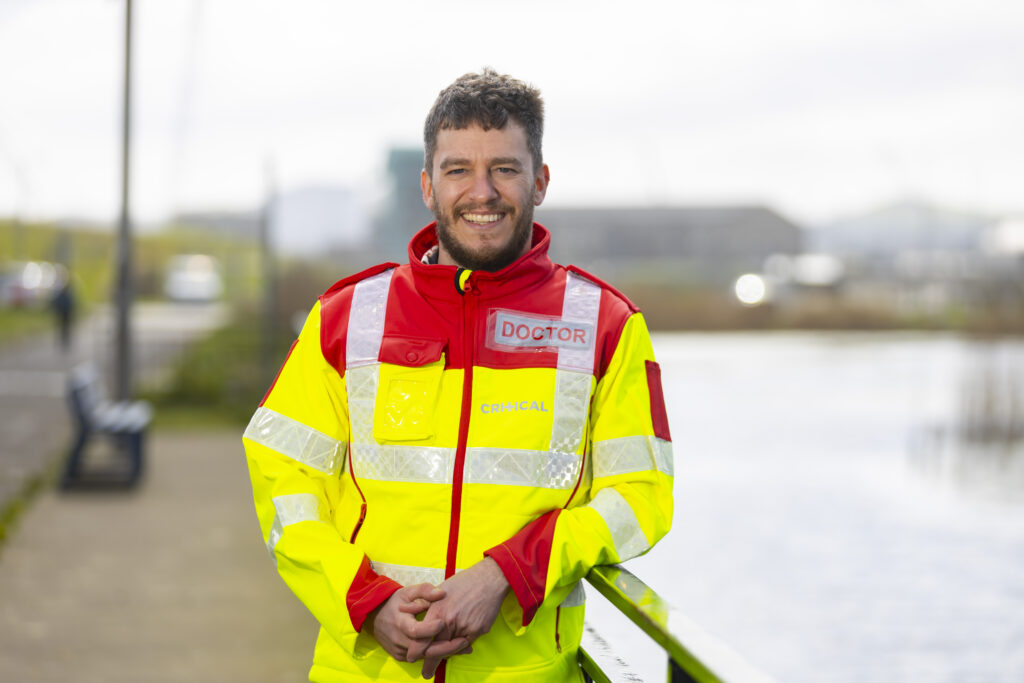
The Limerick-headquartered charity has more than 300 volunteer responders across Ireland. Its network includes doctors, Community First Responder (CFR) groups, off-duty paramedics and emergency medical technicians (EMTs). Volunteers are alerted by the National Ambulance Service to life-threatening emergencies in their local communities.
In total, the charity’s volunteers responded to 1,317 incidents during the first six months of the year, the busiest first half in its history and more than double the number of calls compared with the same period in 2025 (591).
Most callouts (81%) related to medical emergencies, with chest pain, cardiac arrest and stroke the most common incidents attended.
CRITICAL volunteers were first on the scene in 58% of incidents attended during the first six months of the year, with Cork recording the highest number of callouts (366), followed by Dublin (285), Tipperary (120), Donegal (109) and Clare (77).
David Tighe, CEO of CRITICAL charity said, “Our volunteer responders are busier than ever attending life-threatening emergencies in their communities right across the country. We expect the Bank Holiday weekend to be a busy one and are urging people to take extra care whether they’re on the roads, at the beach or at home. Over the last year we have added five new Community First Responder Groups in Cork, Clare and Kilkenny. Together with our existing groups, our doctors and off-duty responders, they have attended more than 1,300 calls in the first six months of this year which is more than double the 591 incidents during the same period in 2025. They have provided vital care and brought additional expertise to support the National Ambulance Service. It is thanks to donations and fundraising that we were able to support so many people.